
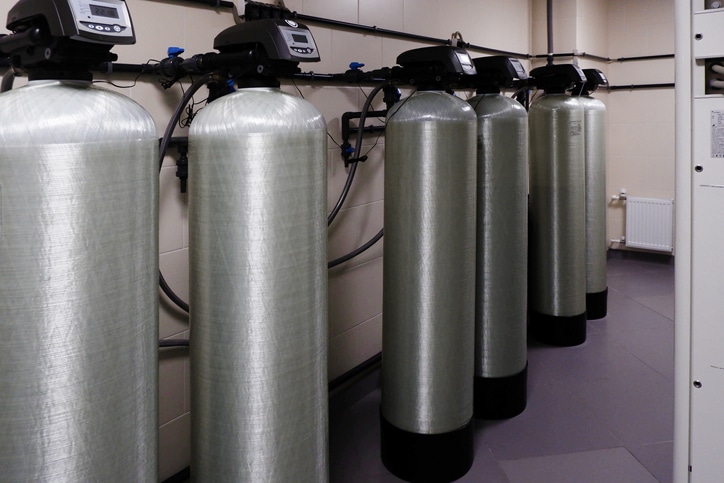
Restore Clean, Comfortable Water with Expert Softener Repairs
In homes built around water sources with high mineral content, a water softener does a lot more heavy lifting than you might assume. That means that when it starts to wear down, the difference can be both immediately noticeable and instantly frustrating. While a minor water softener issue might seem like a quick DIY fix, these systems are more intricate and complex than they appear. Between salt bridges, resin bed breakdowns, and control valve failures, pinpointing the exact trouble with your softener often requires experience.
That’s why local homeowners turn to Pioneer Heating, Cooling, Plumbing, & Electric, one of Tennessee’s longest-standing and most trusted home service and plumbing companies, for reliable water softener repair services. We use fully stocked service vehicles and industry-leading diagnostic equipment to resolve most issues in a single visit. And with Pioneer, you never have to worry about confusing explanations or rushed service.
Common Signs You Need Water Softener Repairs
While soap that won’t lather, scale buildup, and a general sense that their water just isn’t “soft” are some of the telltale hard water symptoms, there are others that may be a little more difficult to suss out.
If you’re noticing any of the signs below, it may be time to schedule a professional inspection or repair.
Spotty or Film‑Covered Dishes
If your dishwasher leaves a cloudy residue or water spots on glasses, hard water may be making a comeback. A malfunctioning softener won’t remove the calcium and magnesium that cause this effect.
Using More Soap Than Usual
Soft water makes cleaning more efficient. When your water softener is failing, you’ll notice you need more soap, shampoo, or detergent to get the same results.
Salt Bridges or Mushing in the Tank
Salt buildup in the brine tank, either in hardened “bridges” or slushy mush, can prevent your system from regenerating properly. These issues are common in our regional humid climate.
Dry, Irritated Skin and Hair
The Tennessee River contributes to naturally mineral-rich water. Without a working softener, these minerals can cause skin irritation, especially for those with eczema or sensitive skin.
Salt Levels Dropping Too Quickly or Not at All
Both symptoms can signal internal valve or programming issues. If your salt levels seem off despite normal use, your softener may not be cycling properly.
Our Water Softener Repair Process
At Pioneer Heating, Cooling & Plumbing, we go beyond basic fixes to provide service grounded in local experience, technical know-how, and genuine care for your home.
Our NATE-certified technicians begin with a full system diagnostic, looking under the hood to understand what’s happening behind the scenes. That includes:
- Brine tank integrity
- Resin bed condition
- Control valve performance
- Electrical connections and programming
- Sediment or mineral clogs in the line
Because local water often contains higher iron levels (especially in homes using well water), we’ll also test for iron fouling, one of the top reasons softeners fail to perform long-term.
Frequently Asked Questions About Water Softener Repairs
Why isn’t my water softener consuming salt even though it’s cycling?
This is often caused by a salt bridge, a snag that happens when hardened salt prevents brine from forming. It can also happen when there’s an issue with the brine valve. Whatever the source, our technicians can identify and resolve both problems during service.
How much does water softener repair usually cost?
The cost of a repair can vary wildly depending on the complexity of the issue, ranging anywhere from $65–$2,500. The good news? Pioneer offers transparent pricing, Crockett Club discounts, and $100 annual credits for members to reduce long-term repair costs.
What does it mean when a water softener stops regenerating?
‘Regenerating’ in a water softener is the self-cleaning cycle that flushes out the built-up minerals and recharges the system. When it stops regenerating, failure in the control valve is often to blame. However, it could also be a timer issue, a clogged resin bed, or humidity-caused degradation of an electrical component.
How do iron levels in Tennessee well water specifically impact softener performance?
Iron can foul the resin bed, reducing the system’s effectiveness. Tennessee homes with private wells are particularly prone to this. We offer iron filtration and softener solutions designed for local water conditions.
How quickly will I notice soft water after installation or repair?
In most cases, you’ll feel the difference immediately, especially in showers and laundry. Within 24 hours, most symptoms of hard water (like soap scum and dry skin) begin to improve after your water softener is installed or repaired.
How often should I inspect my water softener in Tennessee’s climate?
We recommend a check at least once a year. Tennessee’s ambient humidity and mineral-heavy water can accelerate wear on parts and electronics, particularly during summer months.
Schedule Your Services Today!
Hard water doesn’t have to be your daily reality. If you’re struggling with water filtration and quality issues and think your softener isn’t working as it should, call the team your neighbors have trusted for over 40 years.
Pioneer Heating, Cooling, Plumbing, & Electric brings:
- 40+ years of local experience
- Licensed, insured, and NATE-certified technicians
- Fast response and 24/7 emergency availability
- Crockett Club membership benefits and repair discounts
- Full-service plumbing support with electrical and HVAC backup
We’ve proudly earned more than 9,000 Google reviews across Tennessee and remain one of the most trusted names in water softener repair services in Knoxville, Nashville, and beyond.